15 November 2026
The Duty of Plumbing in Energy Effectiveness
Presented by @showerexplainedas53
Plumbing may not be the initial point that enters your mind when thinking about home energy performance, however it plays a remarkably considerable duty. You 'd be impressed at how much water and power your plumbing system can waste if it's not optimized. From out-of-date fixtures to ineffective water heaters, there are countless possibilities to increase your home's eco-friendliness. Discover the hidden possibility of your plumbing to disclose substantial cost savings - all while doing your part for the atmosphere. Dive deeper to find the typically overlooked, yet impactful, link between plumbing and power efficiency.
Secret Takeaways
- Appropriate pipe insulation, material choice, and positioning can reduce heat loss and preserve water temperature, improving total power effectiveness.
- Tankless water heaters provide on-demand hot water, removing power waste from storage tanks and offering up to 34% even more energy performance.
- Smart plumbing modern technologies allow punctual leak detection and water usage surveillance, assisting home owners minimize water and energy expenses.
- Incorporating renewable energy systems, such as solar water home heating and rainwater harvesting, with plumbing decreases reliance on traditional water home heating and municipal water sources.
- Straightening plumbing design with a/c systems makes sure ideal efficiency, pressure policy, and overall power financial savings in a home.
Water-Efficient Plumbing Fixtures
Water-efficient plumbing fixtures can substantially lower your house's water usage, assisting you save this priceless resource and reduced your utility bills.
These fixtures, that include toilets, showerheads, and taps, are made to utilize significantly less water than their conventional equivalents.
Most of them incorporate clever modern technology, such as sensors and flow-control mechanisms, to specifically control water use.
Insulation and Pipe Optimization
You can not overlook the significance of insulating your pipes.
Correct insulation decreases heat losses, keeping the water at the designated temperature.
In addition, maximizing the placement of your pipes improves total power effectiveness in your plumbing system.
Protecting Pipes Lowers Losses
Properly protecting pipes can greatly decrease power losses, keeping the water hotter for longer and improving the general performance of your plumbing system.
The sort of pipe material you make use of plays a necessary duty in decreasing heat transfer. Materials with reduced thermal conductivity, like PEX or copper, are better insulators than steel or galvanized pipes, which have greater thermal conductivity and permit even more heat to get away.
Wrapping your pipes with insulation sleeves or tapes is a reliable method to better lower heat loss. This includes an extra layer of defense, decreasing the rate at which heat dissipates from the water.
When picking insulation, seek items with high R-values, as they offer much better shielding residential or commercial properties. Correctly mounted and maintained insulation can avoid approximately 70% of possible heat loss, leading to substantial power savings gradually.
Optimizing Pipe Placement Boosts Performance
Beyond insulating pipes, enhancing their positioning can further increase your plumbing system's effectiveness. Purposefully positioning pipes minimizes heat loss and minimizes energy intake, delivering warm water faster to the point of use.
Proper pipe transmitting is vital - by taking one of the most direct path between the hot water heater and fixtures, you'll minimize the distance hot water must travel, reducing thermal losses. Flow optimization likewise contributes, as setting up pipes to keep regular water speed stops stagnancy and accelerates delivery.
Consider rerouting pipes to eliminate doglegs and unneeded bends, which develop resistance and slow water flow. Grouping warm water pipes together, while dividing them from cool water lines, assists retain heat.
Placing pipes within interior wall surfaces, as opposed to outside ones, further shields them from ambient temperatures. By attentively preparing pipe layout, you can create a much more reliable plumbing system that uses much less power to offer the hot water your home needs.
Thermal Mass Impacts Temperature Guideline
The thermal mass of pipes and insulation materials plays a crucial role in regulating water temperature level throughout your plumbing system.
Appropriately insulating pipes and maximizing their positioning can minimize heat loss, ensuring hot water reaches fixtures without delay while decreasing energy needs.
Pipe materials with greater thermal conductivity, like copper, can transfer heat a lot more successfully, however they additionally lose heat faster.
On the other hand, products with reduced thermal conductivity, like PEX or CPVC, keep heat much better, preserving water temperature level for longer periods.
Insulation additionally improves this thermal mass result, slowing the rate of heat transfer and power storage within the pipes.
By purposefully positioning insulated pipes, you can create an extra secure and receptive temperature level regulation system, decreasing the need for consistent reheating and conserving useful energy.

Leveraging the best materials and positioning optimizes your plumbing's thermal mass, supplying hot water dependably while boosting overall power effectiveness.
Tankless Water Heater Conveniences
One essential advantage of a tankless water heater is that it can supply a constant supply of warm water, ensuring you never run out suddenly.
Tankless innovation heats water just when you need it, instead of maintaining a tank warmed frequently. This on-demand method implies you won't squander power keeping a tank of hot water that may go extra. In fact, tankless water heaters can be as much as 34% even more energy-efficient than traditional tank-style versions, resulting in considerable power cost savings over time.
An additional benefit of tankless heating systems is their compact dimension. Without a cumbersome storage tank, they can be installed in tight rooms, freeing up beneficial square video in your house.
Furthermore, tankless versions often tend to have longer lifespans than tank heating systems, generally lasting 20 years or even more with correct maintenance. This long life, combined with the power cost savings, makes a tankless hot water heater a smart financial investment for house owners seeking to increase their home's effectiveness and convenience.
Greywater Recycling Systems
While tankless hot water heater offer remarkable power effectiveness, one more means to improve your home's sustainability is by applying a greywater recycling system.
Greywater - the fairly tidy wastewater from sinks, showers, and cleaning devices - can be collected, treated, and recycled for non-potable applications like toilet flushing and landscape irrigation. This not just minimizes your freshwater consumption yet likewise lowers your energy prices related to water heating.
The installment of a greywater system involves plumbing adjustments to divert greywater from the primary drainpipe line. The collected water is after that filtered, sanitized, and saved in a holding tank for later usage.
While the ahead of time investment might be more than a standard plumbing setup, the long-lasting savings on your utility expenses can make it a rewarding upgrade. And also, you'll have the contentment of doing your component to preserve this valuable resource.
With a little preparation and the right plumbing knowledge, you can appreciate the lots of advantages of a greywater recycling system.
Plumbing Maintenance for Performance
Don't allow those pesky leaks slide by undetected.
Quickly discovering and fixing them can save you a package on your water expenses.
And also, updating your water fixtures and correctly shielding your pipes will certainly further increase your plumbing's efficiency, keeping your crowning achievement efficiently and your power expenses reduced.
Finding Leaks Quickly
Quickly finding leaks is vital for maintaining power efficiency, as even tiny plumbing issues can considerably impact your home's general efficiency.
Regular leak detection and moisture monitoring are crucial to capturing issues early prior to they intensify. Take into consideration setting up clever home technology that can inform you to any type of unusual water usage or dampness, enabling you to attend to the problem quickly.
Frequently inspecting visible pipes and faucets for drips or indicators of wear is additionally vital. If you presume a surprise leak, don't think twice to employ a specialist plumbing professional to do a detailed evaluation and utilize specific equipment to identify the source.
Prompt action can save you from pricey water damage and lost energy. By staying alert and addressing leaks today, you'll maintain your plumbing system running at peak effectiveness and minimize the impact on your energy costs and the environment.
Safeguarding your home's power performance starts with discovering leaks promptly.
Upgrading Water Fixtures
Upgrading your home's water fixtures is an additional essential step in improving its power effectiveness. Replacing older, ineffective models with contemporary, water-saving choices can considerably minimize your water usage and the linked energy costs.
When it comes to fixture products, search for long lasting and lasting choices like stainless-steel or brass. These products not only boost the aesthetic of your restroom and kitchen but additionally ensure resilient performance.
Pay very close attention to stream rates when picking brand-new fixtures. Low-flow showerheads, faucets, and toilets can considerably cut your water usage without compromising convenience or functionality. Aim for fixtures with flow rates of 1.5 gallons per min (GPM) or much less for taps and 2.0 GPM or less for showerheads.
You'll be astonished at just how much water and money you can save with these easy upgrades. Do not delay - start upgrading your home's fixtures today and appreciate the benefits of enhanced energy efficiency.
Shielding Pipes Properly
Appropriately protecting your home's plumbing can greatly increase its energy efficiency, decreasing heating and cooling costs in the process.
When it comes to pipe materials, copper and PEX are 2 of one of the most typical options, each with their own benefits. Copper pipes are very sturdy and can endure high temperatures, yet they're likewise much more pricey. PEX, on the other hand, is a lot more cost effective and adaptable, making it much easier to set up.
Regardless of the pipe material, insulating them correctly is vital. Foam insulation is a prominent choice, as it supplies superb thermal defense and is relatively inexpensive. Fiberglass insulation is another option, providing remarkable insulation buildings.
The trick is to assure that all exposed pipes, including those in the attic room, cellar, and crawl rooms, are appropriately insulated to stop heat loss or gain.
Renewable Resource and Plumbing
The crossway of renewable energy and plumbing offers house owners opportunities to boost their home's energy efficiency and decrease their ecological influence.
One means to do this is via solar heater, which utilize the sun's energy to heat water for your home. By integrating these systems with your plumbing, you can reduce your dependence on typical water heaters, conserving you money on power costs and decreasing your carbon footprint.
An additional renewable resource alternative is rainwater harvesting. By installing a rainwater collection system, you can record and keep rainwater for later use in your plumbing, such as for toilet flushing or exterior irrigation. This not just minimizes your need for metropolitan water, yet it likewise assists to relieve the pressure on neighborhood water resources.
As you can see, the marriage of renewable resource and plumbing can be a powerful combination in attaining a much more sustainable and green home.
Plumbing's Impact on cooling and heating
While renewable energy alternatives like solar home heating and rainwater harvesting can improve your home's efficiency, your plumbing system's integration with your home's a/c (heating, ventilation, and a/c) additionally plays an important duty in improving power use.
Appropriate pipe sizing is important - undersized pipes can limit air movement, creating your a/c system to function harder and consume more energy. On the other hand, extra-large pipes may result in water pressure concerns, negatively influencing your home appliances' efficiency.
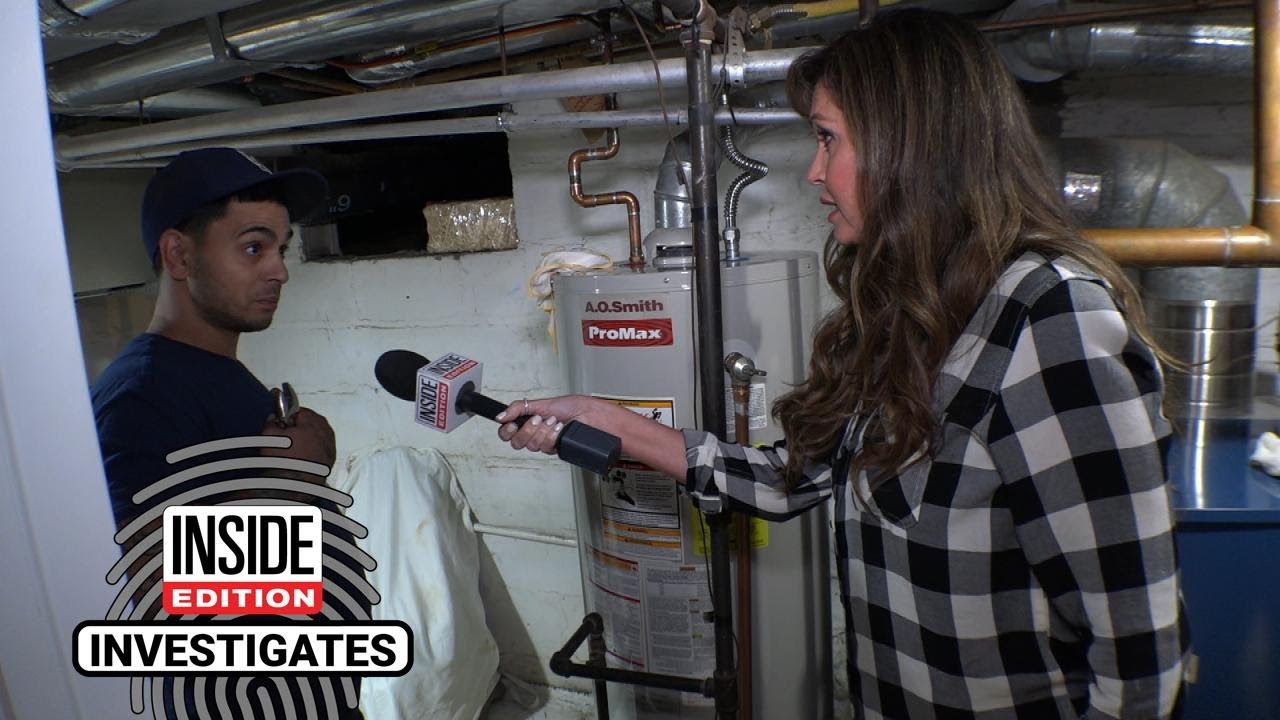
Reliable pressure policy is likewise key; high water pressure can harm pipes and fixtures, while reduced pressure can prevent your a/c system's efficiency.
By ensuring your plumbing and cooling and heating work in consistency via efficient pipe sizing and pressure policy, you'll delight in greater comfort and power cost savings.
Keep in mind, a holistic strategy swanscombe plumber to home effectiveness suggests thinking about just how every system, consisting of plumbing, influences the others.
With the right plumbing-HVAC combination, you can optimize your home's power effectiveness.
Often Asked Questions
Just How Can Plumbing Impact a Home's Overall Energy Effectiveness?
Your home's plumbing plays a crucial duty in its total energy effectiveness. Proper water home heating and pipe insulation can substantially impact your energy usage.
Ensuring your hot water heater is functioning effectively and shielding your pipes can reduce heat loss, decreasing the power called for to keep wanted temperatures.
What Are one of the most Typical Plumbing Issues That Influence Power Usage?
When it comes to plumbing problems that affect energy use, frozen pipes and lack of pipe insulation can truly take a toll.
Frozen pipes can break, resulting in costly water damage and squandered power as your system burns the midnight oil to heat up the home.
And without proper insulation, heat gets away via the pipes, forcing your heating unit to work harder.
Address these typical issues, and you'll see a boost in your home's energy effectiveness.
Exactly How Can Homeowners Reduce Water Usage With Plumbing Upgrades?
You can lower your home's water intake with plumbing upgrades.
Begin by setting up low-flow fixtures like showerheads, taps, and toilets. These utilize considerably less water than older versions.
Furthermore, take into consideration a wise irrigation system that adjusts watering schedules based upon weather and dirt conditions. This will stop overwatering and lessen exterior water usage.
These easy plumbing upgrades can make a huge distinction in your total water usage and aid you conserve money on your energy bills.
What Are the Considerations for Installing Renewable Resource in Plumbing Systems?
When setting up renewable energy in your plumbing system, you'll require to consider making use of solar water heaters and heat pumps.
Solar water heaters harness the sunlight's power to heat your home's water, lowering your dependence on conventional hot water heater.
Heat pumps, on the various other hand, successfully transfer heat from the air or ground to heat your water, supplying an eco-friendly option to typical water home heating techniques.
These renewable energy alternatives can significantly enhance your home's energy effectiveness and decrease your carbon impact.
Exactly How Does Plumbing Design Impact the Efficiency of Heating And Cooling Systems?
Your plumbing style greatly affects the efficiency of your a/c system.
The pipe design and just how it integrates with the HVAC system can either enhance or hinder its performance.
Appropriate system integration, like aligning the plumbing and cooling and heating components, guarantees optimal heat transfer and minimizes energy waste.
Final thought
Your home's plumbing plays a crucial role in boosting power efficiency.
By installing water-efficient fixtures, appropriately insulating pipes, and incorporating tankless hot water heater, you can considerably reduce water and energy consumption.
Greywater recycling systems and regular plumbing upkeep further add to sustainability, while the assimilation of renewable energy sources and reliable a/c layout maximize your home's overall power performance.